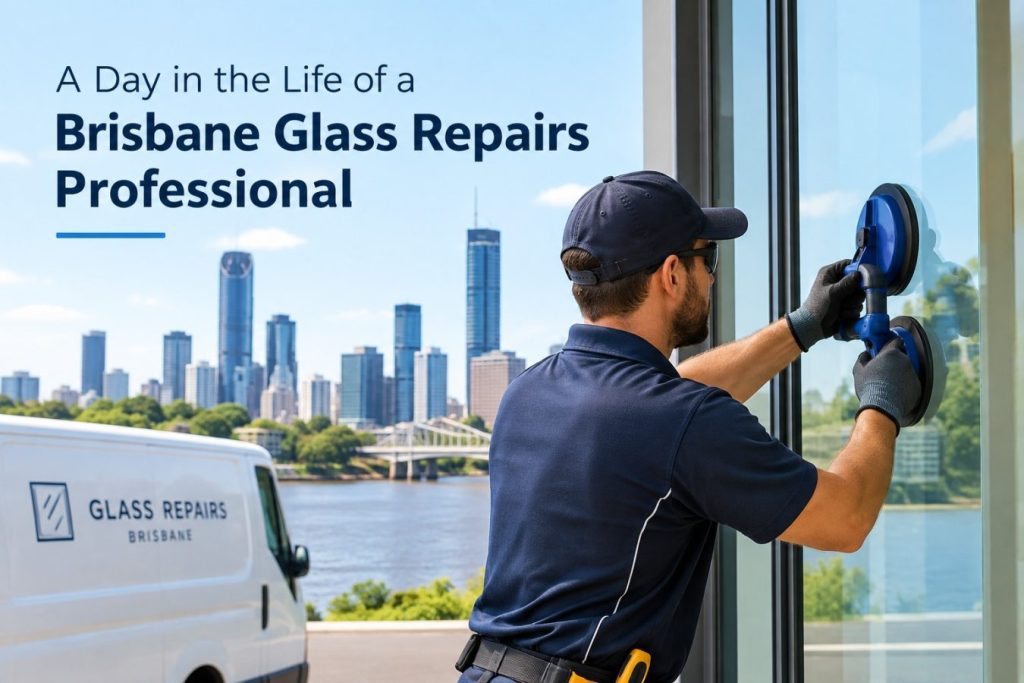
A Day in the Life of a Brisbane Glass Repairs Professional
Glass is seldom damaged at a convenient moment; for example, a window might crack overnight, a shopfront could be struck before it opens, or a glass door may suddenly become unsafe during a busy day. Professional glaziers are available behind the scenes to help Brisbane homes and businesses address such problems quickly and safely. This article takes a closer look at what goes on during a typical day for a Brisbane glass repairs professional, from the first emergency call to the final inspection. Starting the Day: Preparing for Glass Repair Jobs Across Brisbane The day usually starts before the first job. Scheduled appointments are reviewed, tools are checked, replacement materials are organised, and safety equipment is loaded into the vehicle. Travel planning matters too. Brisbane covers a large area, and jobs can take a glazier from one suburb to another with little warning. Emergency work can change the schedule completely, so preparation needs to allow for some flexibility. The First Call: Assessing a Broken Window Emergency The first call might concern almost any situation; for example, a family could have a broken window in their bedroom, a business might have damaged glass in its shopfront, or a glass door that is cracked could require immediate attention. Common Emergency Glass Repair Situations Some of the most frequent situations include broken residential windows, damaged shopfronts, cracked doors, storm damage, and accidental breakages. These are among the 5 common glass repair issues that can require prompt professional attention. Safety is our top concern. Since fragments of glass and frames that are not stable can pose immediate dangers, the damaged section is examined before any removal takes place. The measurements are then recorded and, if necessary, the hazardous parts are temporarily fastened in place until the permanent repairs can be carried out. Tools Used by Professional Glass Repair Specialists A glazier’s vehicle can look surprisingly well stocked. Different repairs require different equipment, and having the right tools available can make a significant difference. Glass Cutting Tools Glass cutters, accurate measuring equipment, and suction lifters are essential for handling and positioning glass safely. Even small measurement errors can cause problems during installation. Safety Equipment Protective gloves, safety glasses, and suitable protective clothing help reduce the risk of cuts and other injuries. Safety is not something that can be improvised halfway through a job. Installation Equipment Sealants, glazing tools, fasteners, and replacement materials are used to secure the new glass and create a finished installation that is both functional and neat. Behind Every Repair: The Step-by-Step Glass Repair Process Inspecting the Damaged Glass The repair process starts with a thorough inspection, during which cracks, areas where impacts have occurred, and other types of damage are located, as well as any related problems with the frame and the surrounding structure are examined. Removing Broken Glass Safely Broken glass must be removed with care, especially in the case where the pieces are loose or under tension. The area where the work is being done is cleared and put in order so that the installation can go ahead without involving any unnecessary risk. Measuring and Installing Replacement Glass The correct replacement can only be chosen with accurate measurements, and the type of glass is also important; in certain cases, toughened, laminated or other safety glass will be needed. It is necessary to have the glass installed by professionals so that it fits properly and is properly sealed. Final Inspection and Quality Checks Before the job is finished, seals, fittings, and security are checked. The area is cleaned, loose debris is removed, and the finished glass is inspected for a clean, secure result. Different Types of Glass Repair Jobs Brisbane Professionals Handle Residential Glass Repairs Residential work can involve windows, sliding doors, shower screens, mirrors and glass tabletops. Some repairs are straightforward; others require careful handling because of their position or size. Commercial Glass Repairs Commercial jobs may include shopfront glass, office partitions, and building windows. These repairs often need to be completed quickly because damaged glass can affect security, customers and business operations. Common Reasons Brisbane Homes Need Glass Repairs Storm and Weather Damage Strong winds, flying debris, and severe weather can damage windows and other glass around a property. Brisbane weather can change quickly, which makes prompt assessment useful after significant damage. Accidental Damage Children playing, moving furniture, or attempting DIY work can all lead to accidental breakages. It does not always take much force to damage a poorly positioned or already weakened panel. Wear and Tear Ageing seals, damaged frames, and existing cracks can gradually reduce the condition of glass installations. Small problems are easy to overlook until they become more obvious. Why Professional Glass Repair Matters for Safety Damaged glass is more than an appearance issue. It can create injury risks, weaken home security, and allow unwanted drafts or moisture to enter via openings. Professional repairs also help ensure the installation is appropriate for its intended use and complies with relevant safety requirements. Challenges Faced by Brisbane Glass Repair Professionals Working With Different Glass Types Toughened, laminated, and other safety glass products each have different characteristics. Knowing how to handle and install them correctly is part of professional glazing work. Handling Emergency Situations Emergency repairs add another degree of pressure since customers reasonably expect the issue to be sorted out quickly, while the glazier has to carry out his work with care and safety. Working in Difficult Locations High windows, commercial buildings, and large glass panels can make otherwise simple repairs considerably more complicated. Access, weight, and positioning all have to be considered. How Much Does Glass Repair Cost in Brisbane? There is no single price for every repair. Cost can depend on the type of glass, the size of the damaged area, the labour involved, emergency call-out requirements, and the complexity of the replacement. Glass Repair vs. Replacement In some instances, it may be possible to repair part of the installation, but in others, replacing the damaged panel is the safer or more practical
A Day in the Life of a Brisbane Glass Repairs Professional Read More »